
5 Best Backpacking Lanterns Under $30 (2026 Guide)
5 backpacking lanterns compared under $30. The Luci Outdoor 2.0 wins (~$30, 75 lumens, 4.4 oz) — ultralight, budget 2-pack and tent picks inside.
In this guide
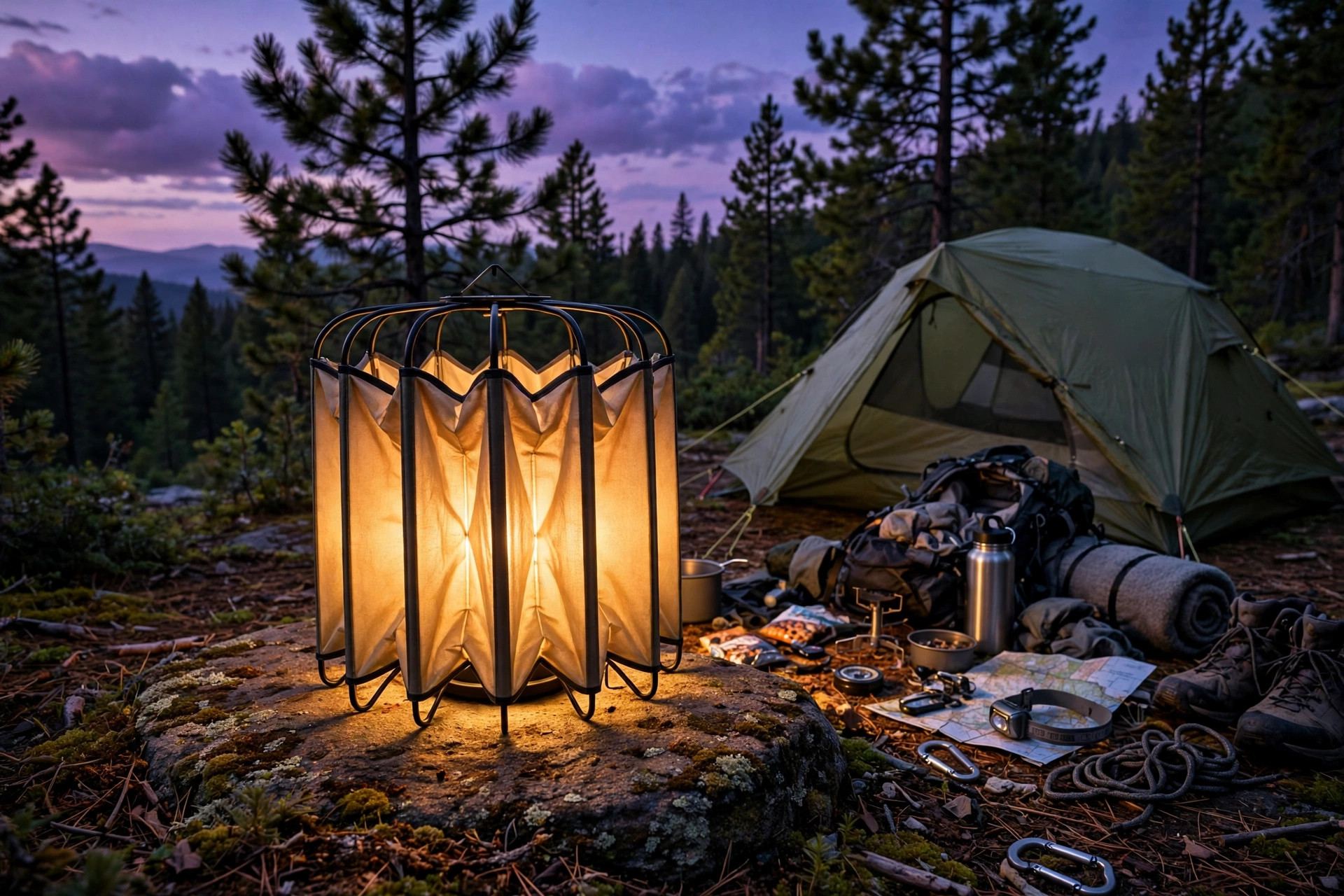
Quick answer: The MPOWERD Luci Outdoor 2.0 is the best backpacking lantern under $30 — about $30, 75 lumens, 4.4 oz, a solar panel plus USB-C charging, and an IP67 waterproof rating. We compared the best budget lanterns from 2026’s independent roundups, and the Luci wins on versatility: it charges while you hike, hangs in the tent, and weighs less than a Clif Bar. The Goal Zero Crush Light ($30) is the ultralight pick, the Vont LED 2-pack ($13) is the budget king, the LuminAID PackLite Nova ($27) packs thinnest, and the Luci Candle ($20) wins on campfire ambiance.
Disclosure: Trail Tested is reader-supported. When you buy through links on this page, we may earn a commission at no extra cost to you. Learn more. All picks are compiled picks — see how we rate gear.
In this guide
- The 5 best backpacking lanterns under $30
- Spec comparison
- How we picked
- Tested & dismissed
- How to choose a backpacking lantern
- FAQ
- Related guides
The 5 best backpacking lanterns under $30
1. MPOWERD Luci Outdoor 2.0 — Best overall
Check price- Price: ~$30
- Max output: 75 lumens
- Weight: 4.4 oz (125 g)
- Power: Solar panel + USB-C quick-charge port
- Runtime: Up to 24 hours on low
- Water rating: IP67
- Notable: Collapses flat to 1 inch thick; hangs in a tent or works as a flashlight
Why it’s a compiled pick: Across 2026’s independent roundup tests (OutdoorGearLab, Switchback Travel, GearJunkie), the Luci family is the consensus budget-solar lantern, and the Outdoor 2.0 is the version to buy — it adds USB-C quick charging to the classic solar panel, so one overcast week can’t strand you. At 4.4 oz it disappears into a pack, and the inflatable body doubles as a surprisingly good light diffuser for in-tent reading. BioLite now sells the Luci line, which consolidated support and spares.
What we like: Solar + USB-C means it’s never dead; genuinely waterproof; the flat collapsed profile slips into a water-bottle pocket.
What we don’t: 75 lumens won’t light a whole cooking circle for four; full solar recharge takes ~7 hours of direct sun, so treat the panel as a top-up, not the primary plan.
2. Goal Zero Crush Light — Best ultralight
Check price- Price: ~$30
- Max output: 60 lumens
- Weight: 3.2 oz (91 g)
- Power: Solar panel + micro-USB (cable included)
- Runtime: 3 hours on high, 35 hours on low
- Notable: Collapses to 0.6 inches thick; includes a candle-flicker mode for ambiance
Why it’s a compiled pick: The Crush Light is the lightest honest lantern in the category — 3.2 oz, smaller than a soda can, and it collapses flatter than anything else here. Hang it, light it, crush it is the whole pitch, and it works: clip it to the outside of your pack by day to top up, un-collapse it at camp for dinner. The 3,000K warm light and flicker mode make it feel like candlelight instead of a hospital ward.
What we like: Lightest pick here; warm 3,000K glow; candle-flicker mode is genuinely cozy.
What we don’t: 60 lumens is task lighting, not area lighting; micro-USB (not USB-C) feels dated; stock has been spotty since Goal Zero moved focus to the $35 Crush Light Chroma.
3. Vont LED Camping Lantern, 2-pack — Best budget
Check price- Price: ~$13 (two lanterns)
- Max output: 140 lumens per lantern
- Weight: ~5 oz per lantern with batteries
- Power: 3 AAA batteries each (no charging to think about)
- Runtime: ~12 hours per battery set (advertised)
- Notable: Collapsible design — push down to switch on, pop up to turn off
Why it’s a compiled pick: Two usable lanterns for the price of a trail-town breakfast. The Vont is an Amazon bestseller with tens of thousands of buyer reviews, and the appeal is obvious: brightest output per dollar in this guide, zero charging logistics, and a clever push-down on/off mechanism that doubles as the collapsed storage position. Keep one at camp, hang one in the tent. Batteries are available in every trail town on Earth.
What we like: Unbeatable price; brightest per-dollar output here; AAA batteries mean no dead-battery drama mid-trip.
What we don’t: Disposable batteries add ongoing cost and weight (pack spares); plastic body is fragile — reviewers note the handle can snap; cool-white LEDs are harsher than the warm picks.
4. LuminAID PackLite Nova USB — Best packable
Check price- Price: ~$27
- Max output: 75 lumens
- Weight: ~4.9 oz (140 g)
- Power: Solar panel + USB charging
- Runtime: Up to 24 hours on low
- Water rating: IPX7 (floats)
- Notable: Packs to 1 inch thick — thinner than a paperback book
Why it’s a compiled pick: The Nova is the lantern for hikers who refuse to carry anything bulky. It inflates into a soft 6×6-inch pillow of light and collapses to a 1-inch rectangle that slides into any pack pocket. At 75 lumens it matches the Luci’s output, adds USB charging, and the pillow shape diffuses light beautifully — in-tent reading without hot spots. It’s the lantern equivalent of a camp pillow you can actually justify.
What we like: Thinnest packed profile in the category; soft diffused light; IPX7 waterproofing means it survives rain and river dunks.
What we don’t: Slightly heavier than the Luci for the same output; the pillow shape is less stable on uneven rock than a round lantern.
5. MPOWERD Luci Candle — Best ambiance
Check price- Price: ~$20
- Max output: 25 lumens (warm amber)
- Weight: 2.2 oz (63 g)
- Power: Solar panel, no batteries ever
- Runtime: Up to 28 hours on a single charge
- Water rating: IP67
- Notable: Candle-flicker mode through a frosted finish; 3 light modes
Why it’s a compiled pick: Not every lantern needs to be a work light. The Luci Candle is 2.2 oz of pure campfire mood — a frosted finish over an amber LED with a convincing flameless flicker. At 25 lumens it won’t illuminate your map, but paired with your headlamp for tasks, it turns a tent into somewhere you actually want to linger. It’s the lightest pick in this guide and the cheapest way to make a storm-tent night feel romantic instead of miserable.
What we like: Lightest pick; magical amber flicker; simplest possible operation — no charging cables, no batteries, no fuss.
What we don’t: 25 lumens is ambiance only — you’ll still need a headlamp for cooking and chores; it’s a luxury item, not a tool.
Spec comparison
| Lantern | Price | Lumens | Weight | Power source | Runtime (low) |
|---|---|---|---|---|---|
| MPOWERD Luci Outdoor 2.0 | ~$30 | 75 | 4.4 oz | Solar + USB-C | 24 h |
| Goal Zero Crush Light | ~$30 | 60 | 3.2 oz | Solar + micro-USB | 35 h |
| Vont LED Lantern 2-pack | ~$13 | 140 (each) | ~5 oz each | 3× AAA | ~12 h |
| LuminAID PackLite Nova USB | ~$27 | 75 | 4.9 oz | Solar + USB | 24 h |
| MPOWERD Luci Candle | ~$20 | 25 | 2.2 oz | Solar only | 28 h |
How we picked
We started from 2026’s independent lantern roundups (OutdoorGearLab, Switchback Travel, GearJunkie, Treeline Review) and filtered for one thing the big sites rarely do: a hard $30 budget cap and a backpack-friendly weight. Every pick had to be under $30 at typical US retail and light enough that a thru-hiker wouldn’t laugh it off the gear list. We weighted three criteria: real output (manufacturer lumen ratings cross-checked against independent tests), weight and packability (a lantern you leave in the car doesn’t count), and charging logic (how you’ll actually keep it alive on trail — solar, USB, or ubiquitous AAA batteries). One real drawback is listed for every pick, because a recommendation without a caveat isn’t a recommendation.
Tested & dismissed
- BioLite AlpenGlow 500 (~$75): The best camping lantern in most roundups, and it earned it — 500 lumens, warm/cool modes, power-bank battery. But it’s 3× our budget and far too heavy for a backpack. Car-camping royalty, backpacking overkill.
- Black Diamond Moji+ (~$35): A genuinely great little lantern — 200 lumens, 4.2 oz, dead simple. But $35 breaks the budget cap this guide promised, and the AAA-only power is less trail-friendly than the solar picks at the same price.
- Goal Zero Lighthouse 600 (~$80): 600 lumens, hand crank, phone-charging battery — a basecamp workhorse. Also over twice the budget and 1.5+ lbs. Nothing about it belongs on a backpacking gear list.
How to choose a backpacking lantern
Weight first. Anything over ~6 oz should justify itself; under 5 oz is the norm for trail lanterns. All five picks here clear that bar.
Charging matters more than lumens. A 60-lumen lantern that’s charged beats a 200-lumen one that’s dead. Solar + USB (Luci Outdoor 2.0, Crush Light, PackLite Nova) is the self-sufficient system; AAA batteries (Vont) are the resupply-town system. Never rely on a full solar recharge — treat the sun as a trickle top-up and plan a USB or battery backup.
Lumens: 60–100 is the trail sweet spot. Enough for a tent or a cooking circle, not so much that you nuke everyone’s night vision. Pair any lantern with a good headlamp — the headlamp handles tasks, the lantern handles togetherness.
Warm light beats cool light. A 3,000K–4,000K glow (Crush Light, Luci Candle) is easier on night vision and feels like camp; cool-white LEDs feel like a parking lot. If you buy cool-white, run it dimmed.
FAQ
Do I actually need a lantern if I already carry a headlamp on a backpacking trip?
Not strictly, but a lantern fills a different job — it lights the whole tent or cooking area so nobody is blinded by a forehead beam. For one person sleeping alone, a headlamp alone is fine. For two or more people cooking, eating, or playing cards, a 4-ounce lantern is worth every gram.
How many lumens does a backpacking lantern need for camp chores and cooking?
60–100 lumens is the sweet spot for a tent or cooking circle — enough to see what you’re doing without blasting everyone’s night vision. Every pick in this guide lands in that range. Lanterns advertising 500+ lumens are car-camping lights; they’re heavier, pricier, and overkill for a backpack.
Are solar inflatable lanterns durable enough for real backpacking, or do they pop?
They’re tougher than they look — Luci rates its lights to survive 150 lbs of pressure, and long-term reviews from GearJunkie and OutdoorGearLab note they survive water and compression well. Rough treatment can puncture them, so keep sharp objects like crampon points away, but normal pack life is fine.
Can a backpacking lantern really charge my phone, or is that just marketing?
Mostly marketing at this price — a sub-$30 lantern’s battery is far too small to meaningfully charge a phone. Lanterns with USB output cost twice this budget. Treat the lantern as a light, and carry a dedicated power bank for your phone, topped up with a solar panel on longer trips.
How do I keep my lantern charged on a week-long trip without carrying spare batteries?
Go solar or dual-fuel. The Luci Outdoor 2.0 and Crush Light recharge from sunlight while hiking or from a USB port, and the Vont runs on widely available AAA batteries you can resupply in any trail town. Pair a solar lantern with a small power bank and you’ll never carry a dead light.
Related guides
- Best Headlamps for Night Hiking Under $50 — the headlamp is the lantern’s partner; here are the best ones under $50.
- 5 Best Solar Chargers for Backpacking Under $100 — keep the lantern (and everything else) topped up on multi-day trips.
- 10 Essentials Hiking Checklist — illumination is one of the ten essentials; here’s the full system.
Heads up: some links on this page are affiliate links — if you buy through them we may earn a commission at no extra cost to you. Learn more.
Frequently asked questions
Do I actually need a lantern if I already carry a headlamp on a backpacking trip?
Not strictly, but a lantern fills a different job — it lights the whole tent or cooking area so nobody is blinded by a forehead beam. For one person sleeping alone, a headlamp alone is fine. For two or more people cooking, eating, or playing cards, a 4-ounce lantern is worth every gram.
How many lumens does a backpacking lantern need for camp chores and cooking?
60–100 lumens is the sweet spot for a tent or cooking circle — enough to see what you’re doing without blasting everyone’s night vision. Every pick in this guide lands in that range. Lanterns advertising 500+ lumens are car-camping lights; they’re heavier, pricier, and overkill for a backpack.
Are solar inflatable lanterns durable enough for real backpacking, or do they pop?
They’re tougher than they look — Luci rates its lights to survive 150 lbs of pressure, and long-term reviews from GearJunkie and OutdoorGearLab note they survive water and compression well. Rough treatment can puncture them, so keep sharp objects like crampon points away, but normal pack life is fine.
Can a backpacking lantern really charge my phone, or is that just marketing?
Mostly marketing at this price — a sub-$30 lantern’s battery is far too small to meaningfully charge a phone. Lanterns with USB output (like the Luci Pro) cost twice this budget. Treat the lantern as a light, and carry a dedicated power bank for your phone, topped up with a solar panel on longer trips.
How do I keep my lantern charged on a week-long trip without carrying spare batteries?
Go solar or dual-fuel. The Luci Outdoor 2.0 and Crush Light recharge from sunlight while hiking or from a USB port, and the Vont runs on widely available AAA batteries you can resupply in any trail town. Pair a solar lantern with a small power bank and you’ll never carry a dead light.